Club Badges
Every all-nighter had a badge, and the badge was the proof you were there. This is the design archive we are working from. Reproductions are coming.
Shop › Club Badges
A design is not a badge
Every entry below records a design. That is a different claim from an authenticated period-made badge. Reproductions exist in quantity, Wigan Casino most of all. Treat a physical badge as original only where provenance, construction, purchase history or specialist auction evidence supports it.
Fifty-Four
Badges
Club badges and sew-on patches from the British Northern Soul scene, mostly 1970s. Each one written up: what the design says, which club it belonged to, and what it tells you about how the scene organised itself.
Photograph credits, and a standing offer
The badges are ours to write about. The photographs are not ours, and we want to be straight about that rather than quiet.
These images were gathered while researching this archive. They come from Omega Auctions catalogue lots, from collector photographs posted on Soul Source, from current and archived eBay seller listings, and from the Popsike auction archive. They are reproduced here at small size to illustrate the written history of each specific object, which is what this page is for.
If you took one of these photographs, or you own the rights to it: tell us and we will credit you by name on the card, or remove it that day, whichever you prefer. No argument, no delay. Get in touch.
We are also asking the named sources for permission properly, and individual credits will appear on each card as they are confirmed.
On dating and reproductions
Dating is approximate. Very few of these carry a year, most were produced in small runs by the clubs themselves, and reproductions have circulated since the 1990s. Where an issue could not be established it says so rather than guessing, and a modern reproduction is labelled as one. Wigan Casino designs in particular have been reproduced in quantity: treat any physical badge as original only where provenance, construction or specialist auction evidence supports it.
If you can date one of these, correct one, or name the club, tell us and you will be credited.
CASINO SOUL CLUB ALL-NIGHTER
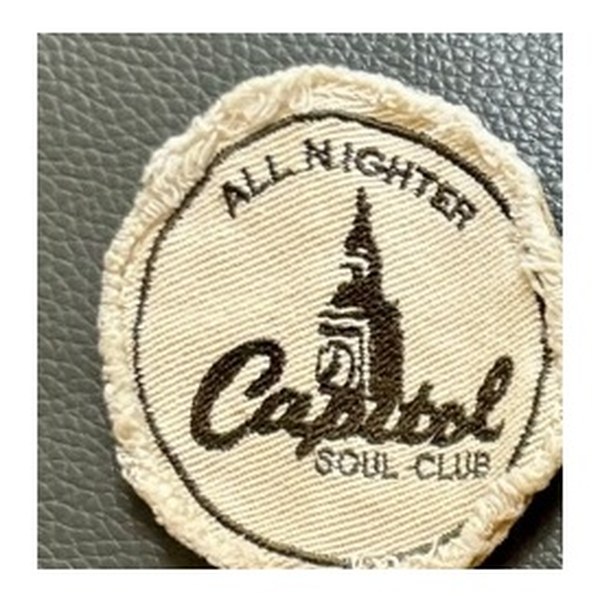
1970sThis early-style Casino all-nighter patch shows how venue identity and the all-night format were turned into wearable scene symbols. Its worn construction is useful evidence of how these badges were carried and used rather than preserved as later collectibles.
THE TWISTED WHEEL LIVES ON
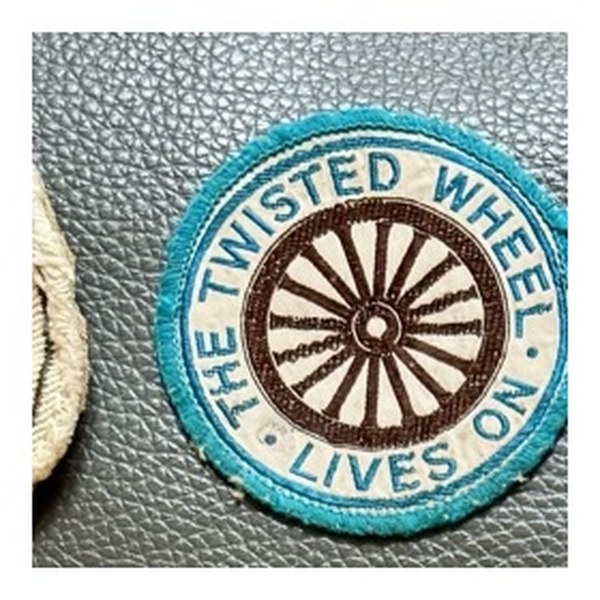
1970sThe Lives On wording places this badge in the commemorative tradition that followed the Twisted Wheel’s closure. It records the continuing importance of the Manchester club to later Northern Soul identity.
WIGAN'S CHOSEN FEW
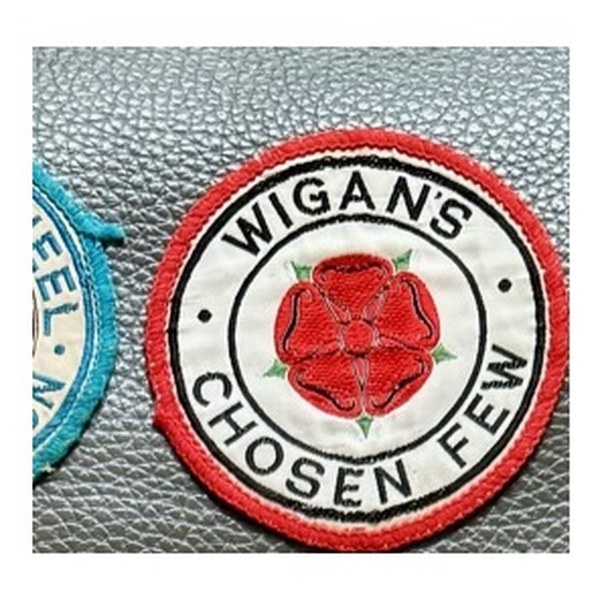
1970sThis design shows how Wigan’s reputation extended beyond official Casino branding. The phrase presents the venue’s dancers and followers as a distinct community within the wider Northern Soul scene.
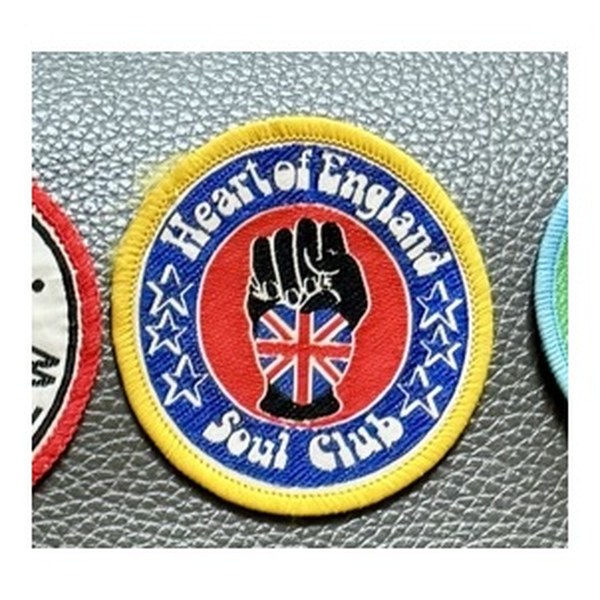
HEART OF ENGLAND SOUL CLUB
1970sThis patch represents a regional organization rather than a single venue. It helps document the networked structure of Northern Soul, in which promoters and clubs connected dancers across several towns and events.
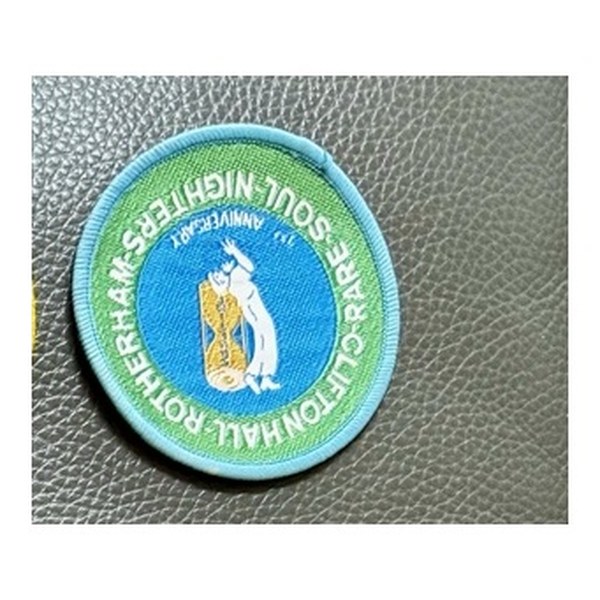
INTERNATIONAL RARE SOUL NIGHTERS
1970sThis badge reflects the national and international language adopted by Northern Soul promoters as the scene expanded. It is useful evidence of how all-nighters were marketed as part of a wider rare-soul network.
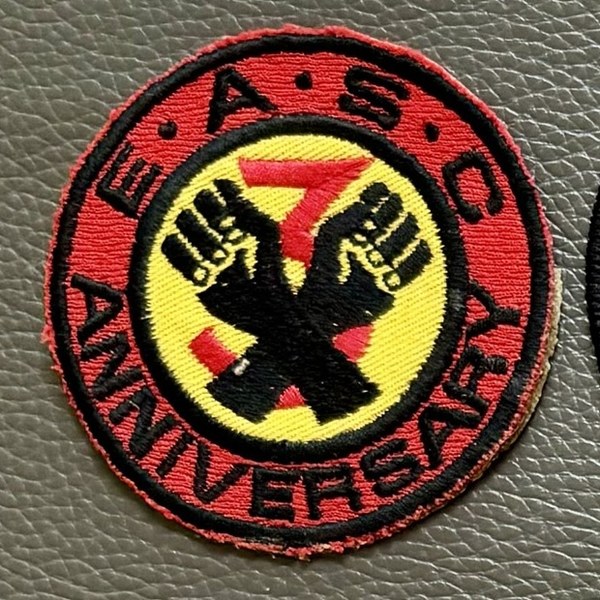
EAST ANGLIAN SOUL CLUB, SEVENTH ANNIVERSARYearly
1980sThis later East Anglian anniversary badge shows the continuity of the regional club network into the early 1980s. Comparing it with earlier EASC issues helps trace changes in design while preserving a recognizable club identity.
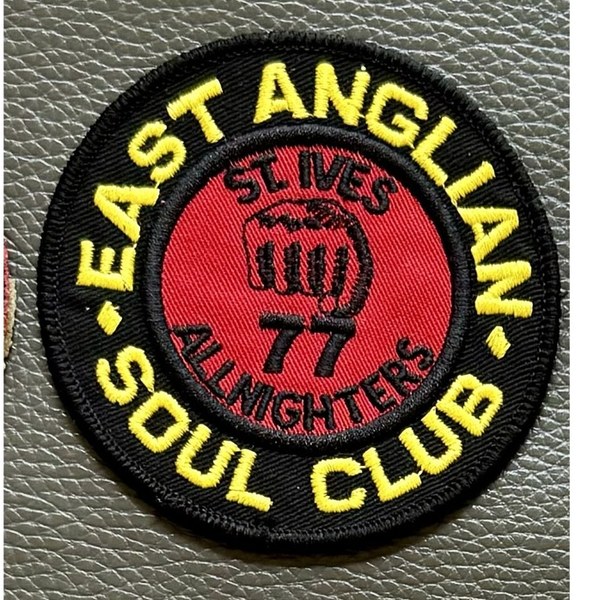
EAST ANGLIAN SOUL CLUB, ST IVES 77 ALL-NIGHTERS
1977This St Ives issue links the East Anglian Soul Club directly to a specific venue and year. It helps reconstruct the geography of the East Anglian all-nighter circuit and the way individual events developed their own visual identity.
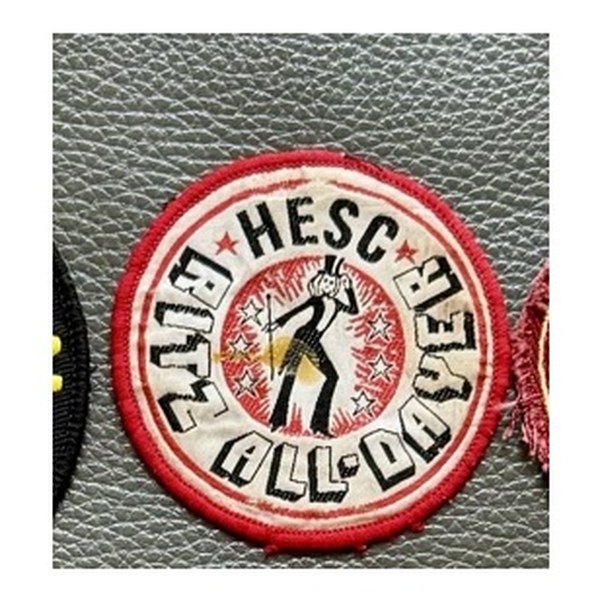
H.E.S.C. ALL-DAYER
1970sThis Heart of England Soul Club all-dayer patch shows that badge culture marked different event formats, not only all-nighters. It also records the regional organizations that sustained the scene between the major national venues.
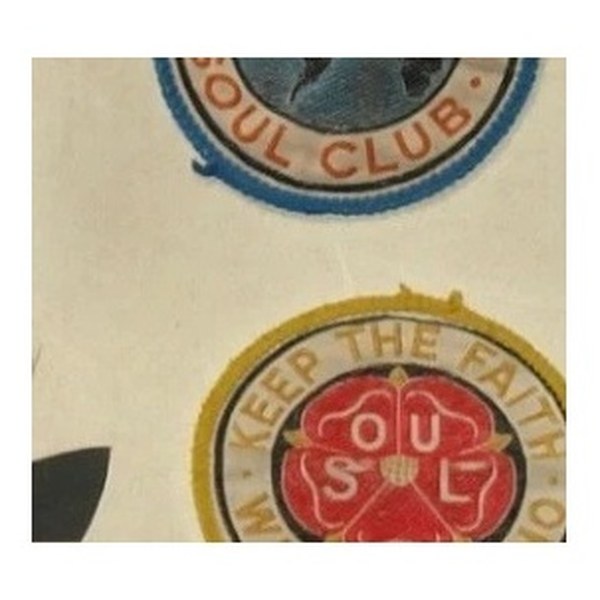
WIGAN CASINO KEEP THE FAITH
1970sKeep the Faith became one of Northern Soul’s defining phrases. On a Wigan Casino badge it links the slogan directly to the venue and provides a useful benchmark for comparison with the many later generic versions.
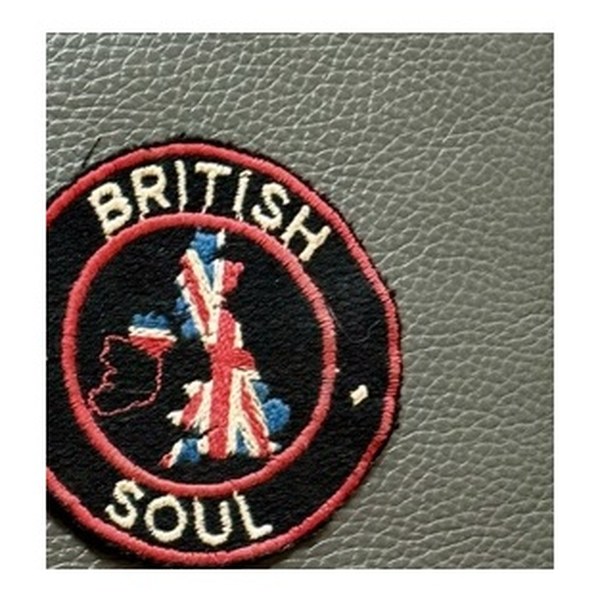
BRITISH SOUL
1970sThis badge expresses a broad British soul identity rather than allegiance to one club. It is useful evidence of the way Northern Soul culture mixed venue loyalty with a wider sense of belonging to a national scene.
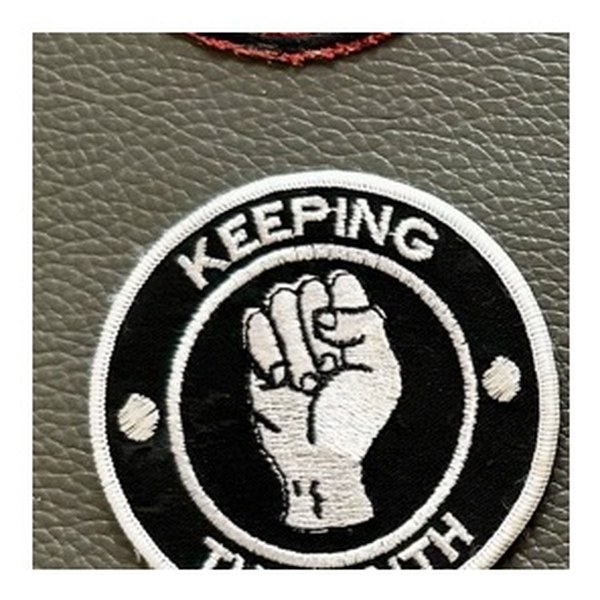
KEEPING THE FAITH
1970sThis generic fist design shows how the Keep the Faith slogan moved beyond individual clubs and became a scene-wide emblem. Its value is cultural, documenting the language and symbols through which Northern Soul fans identified themselves.
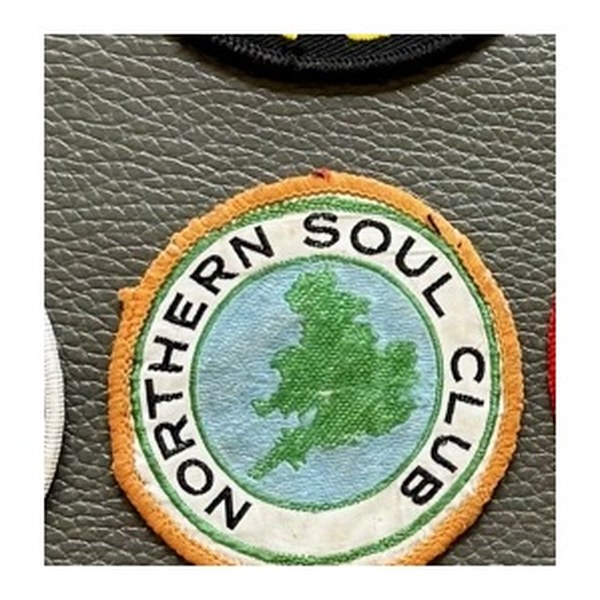
NORTHERN SOUL CLUB
1970sThis regional-style Northern Soul Club badge uses a map motif rather than a named venue. It illustrates how the scene developed identities that could encompass areas and travelling networks as well as individual clubs.
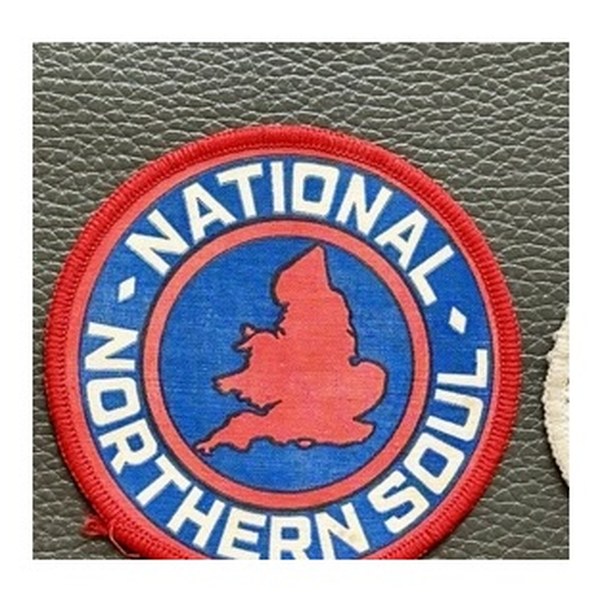
NATIONAL NORTHERN SOUL
1970sThe National Northern Soul wording makes the scene’s expanding geographical identity explicit. The badge is evidence of Northern Soul being understood as a national network rather than a collection of isolated local nights.
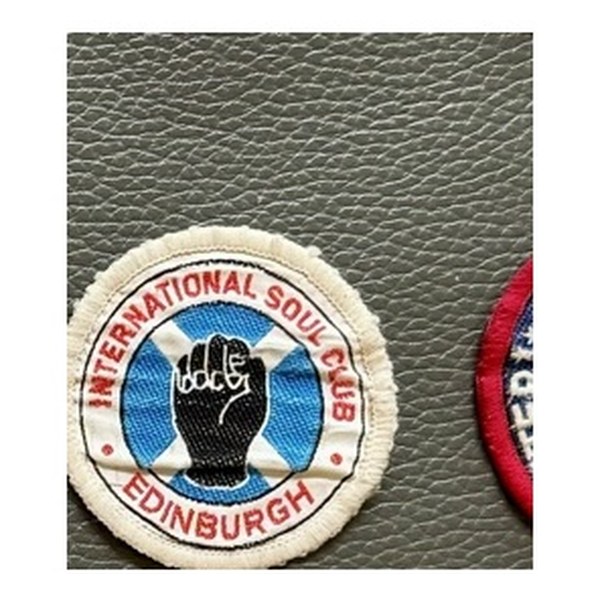
INTERNATIONAL SOUL CLUB, EDINBURGH
1970sThis Edinburgh International Soul Club patch shows how the club network extended into Scotland. It provides useful evidence of the geographical spread of Northern Soul beyond its best-known English venues.
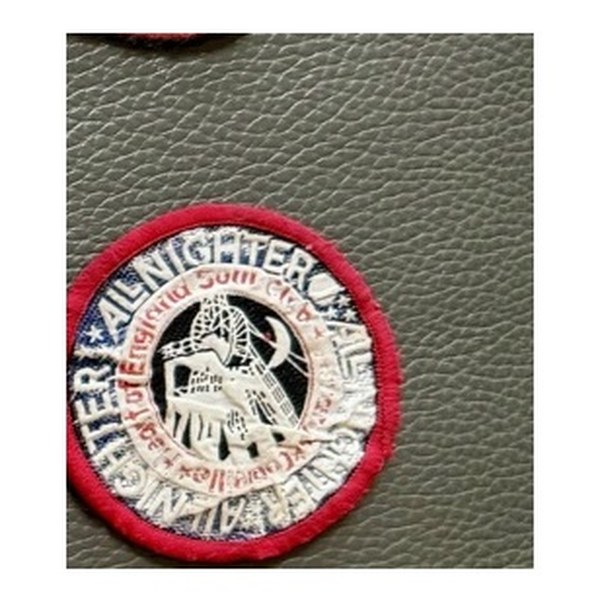
ALL-NIGHTER CLUB BADGE
1970sThis worn all-nighter badge illustrates the dense club and event imagery that circulated during the original era. The surviving condition is itself useful, showing how badges were worn, sewn to bags and carried between venues.
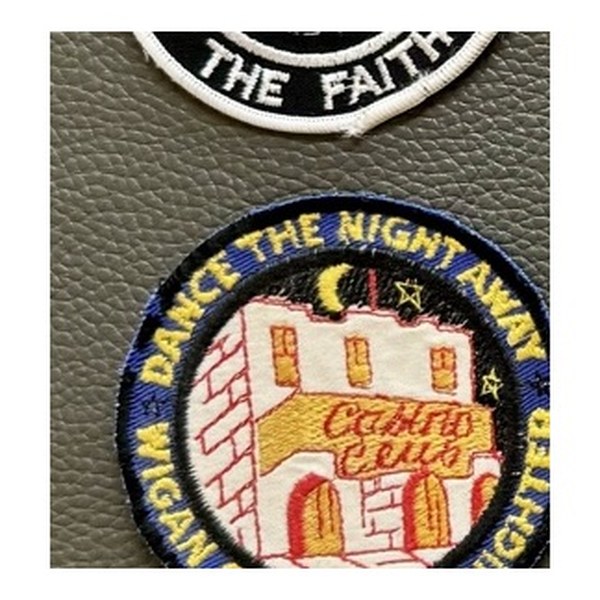
DANCE THE NIGHT AWAY, WIGAN CASINO ALL-NIGHTER
1970sThis slogan-based patch reflects the centrality of dancing to Wigan Casino’s identity. Period examples document the language used around the club and the way dance-floor slogans became part of Northern Soul visual culture.
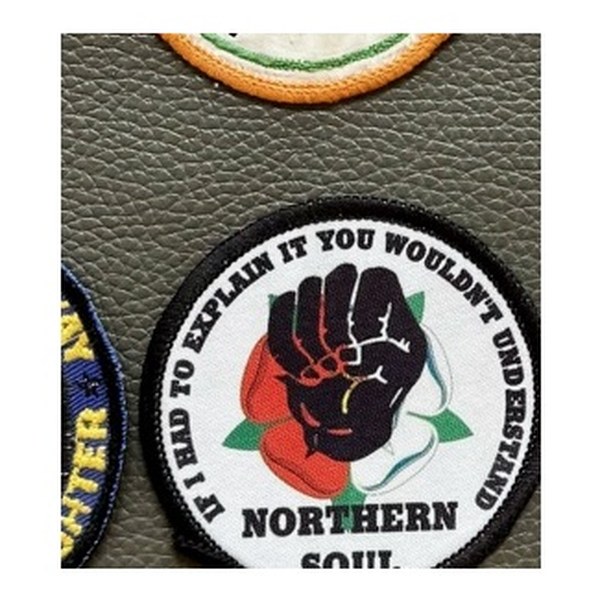
IF I HAD TO EXPLAIN IT, YOU WOULDN'T UNDERSTAND
1970sThis slogan badge captures the strong insider identity of the Northern Soul scene. Rather than marking one venue, it expresses the idea of Northern Soul as a culture understood most fully by those who participated in it.
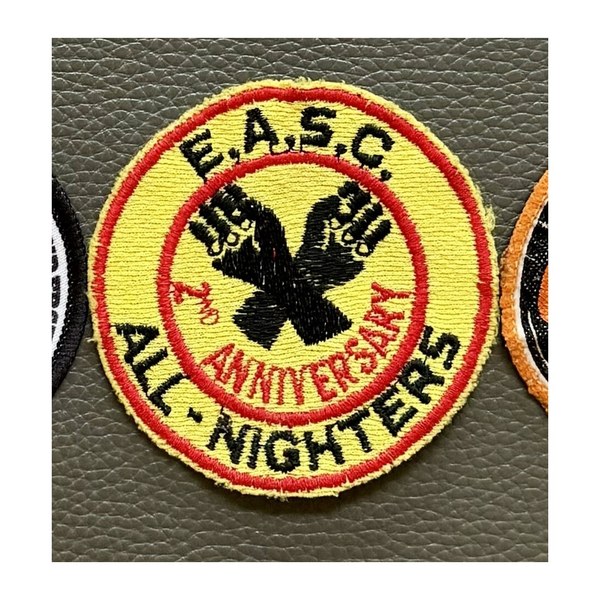
E.A.S.C. SECOND ANNIVERSARY ALL-NIGHTERS
1970sThis anniversary patch provides a dated point in the history of East Anglian Soul Club all-nighters. It forms part of the sequence of regional commemorative issues that helps reconstruct EASC activity through surviving memorabilia.
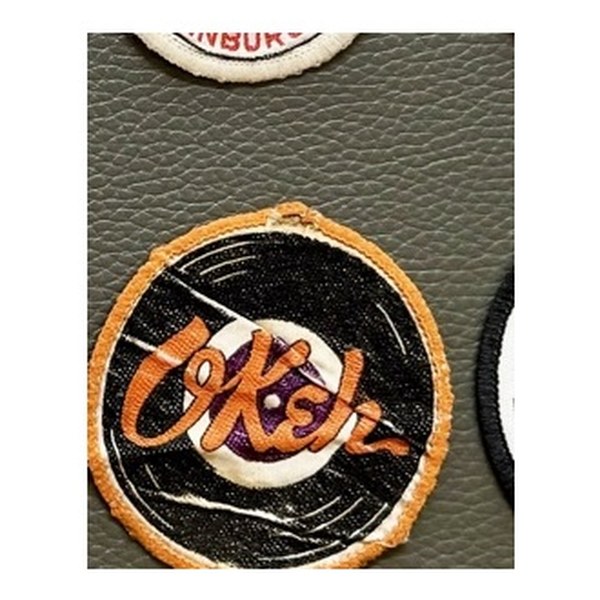
OKEH
1970sThe Okeh patch shows how Northern Soul badge culture extended beyond clubs to the American record labels associated with the music. Okeh’s catalogue supplied many records that became central to the scene’s musical identity.
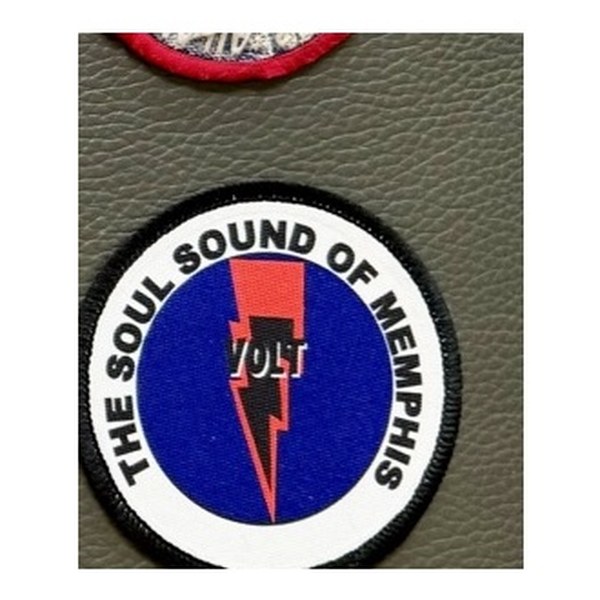
THE SOUL SOUND OF MEMPHIS
1970sThis badge celebrates a musical place rather than a club. It shows how Northern Soul fans used patches to signal allegiance to the wider history of American soul music as well as to British venues and events.
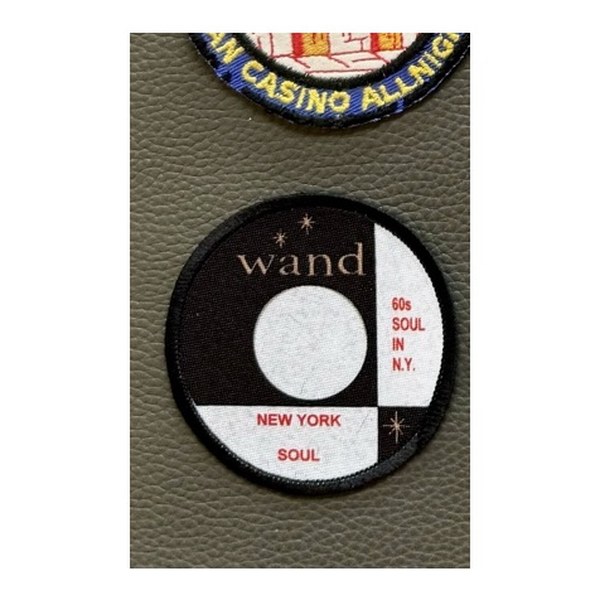
WAND, 60s SOUL IN N.Y.
1970sThis Wand label-style patch reflects the record-collector side of Northern Soul culture. American label imagery became part of the visual vocabulary of the scene because the records themselves carried such importance.
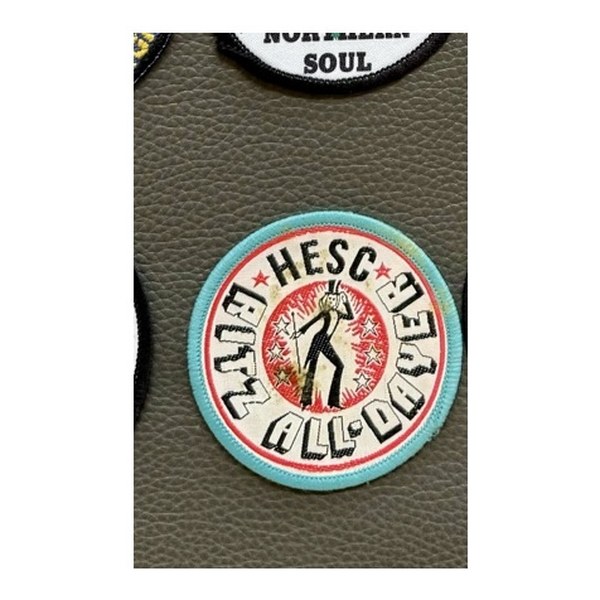
H.E.S.C. ALL-DAYER, BLUE VARIANT
1970sThis colour variant of the Heart of England Soul Club all-dayer badge is useful for comparison with other surviving examples. Variants help show how contemporary badge production could change while retaining the same core design.
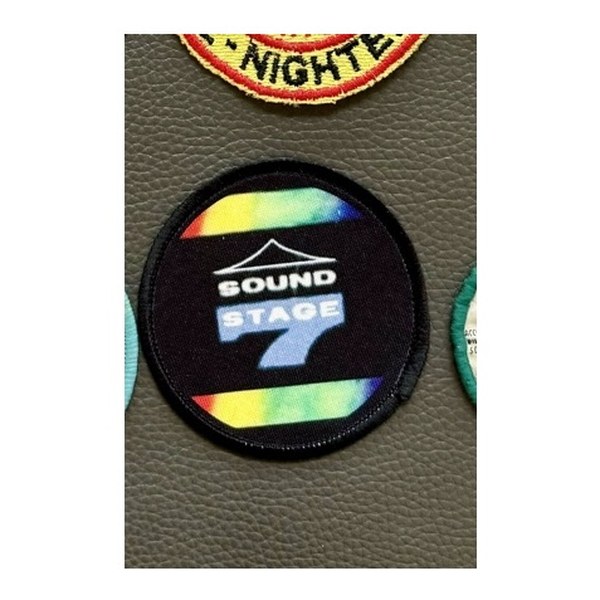
SOUND STAGE
1970sThe Sound Stage badge represents the broader music and venue imagery worn alongside formal club patches. It demonstrates how soul bags often became personal collages of venues, labels, slogans and musical affiliations.
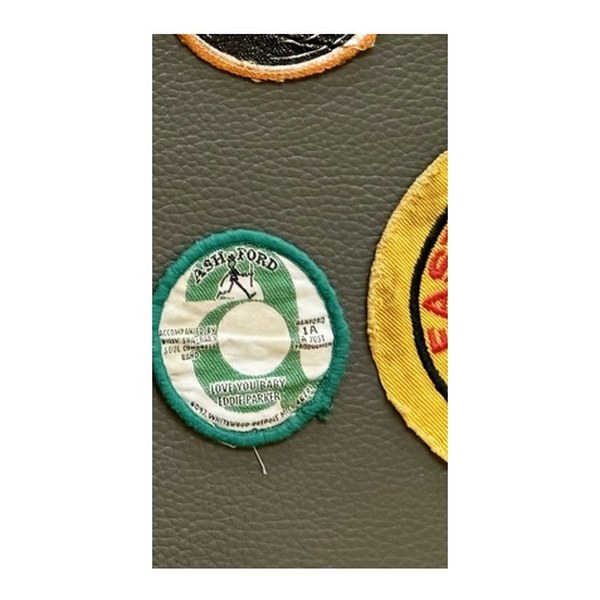
BRADFORD SOUL, RECORD-LABEL DESIGN
1970sThis Bradford-related badge combines local identity with the visual language of a record label. It is a good example of regional Northern Soul culture borrowing directly from the design of the 45 rpm records at the centre of the scene.
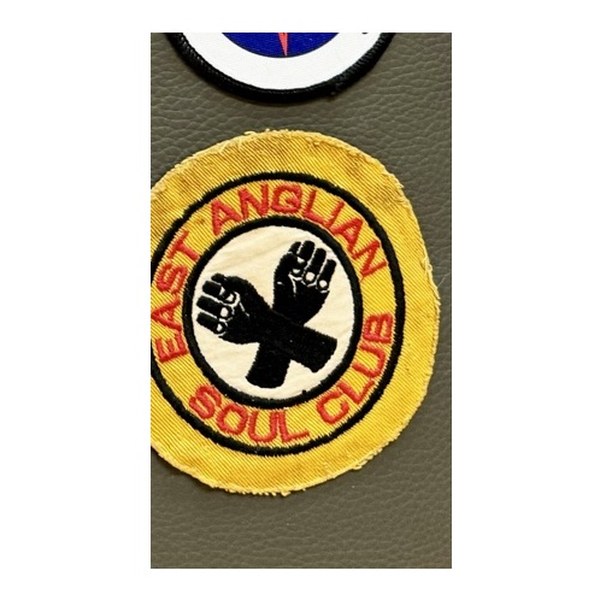
EAST ANGLIAN SOUL CLUB
1970sThe general EASC patch represents the organization itself rather than one anniversary or venue. It provides a useful comparison with the dated and location-specific issues produced within the same regional network.
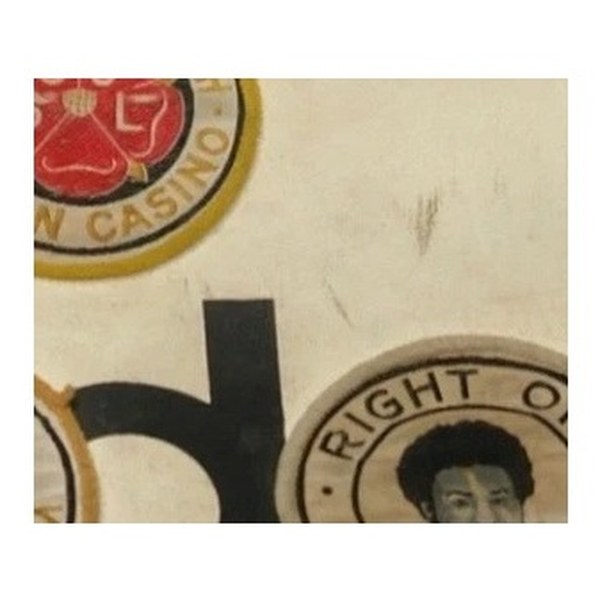
RIGHT ON J.J. BARNES
1970sThis artist-based patch shows how Northern Soul badge culture extended beyond venues to the singers and records admired on the dance floor. It captures the close connection between club identity and devotion to individual American soul artists.
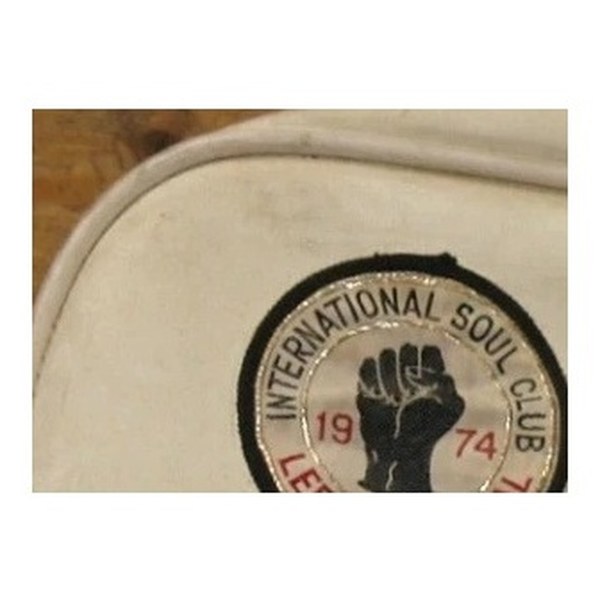
INTERNATIONAL SOUL CLUB, LEEDS FESTIVAL
19741974This dated International Soul Club patch ties the organization to a specific Leeds event in 1974. It is useful evidence of the way national soul organizations created badges for individual festivals as well as for clubs and regions.
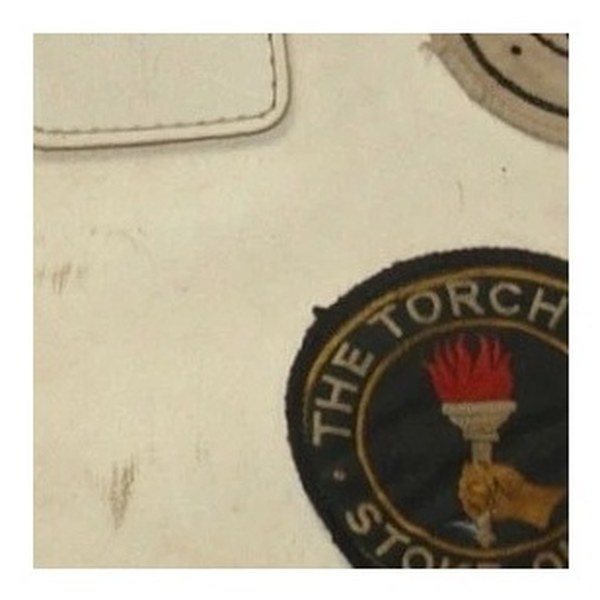
THE TORCH, STOKE-ON-TRENT
1965-1973This dated Torch badge commemorates the life of the Stoke venue. It is particularly useful because the dates turn the patch into a compact historical marker for one of the clubs that shaped the scene before Wigan Casino.
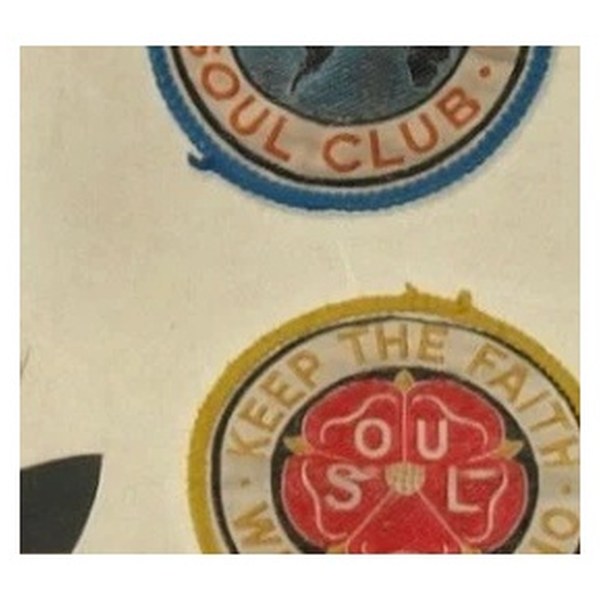
WIGAN CASINO KEEP THE FAITH
1970sKeep the Faith became one of Northern Soul’s defining phrases. On a Wigan Casino patch it links the slogan directly to the venue and gives a useful period benchmark against the many later generic versions.
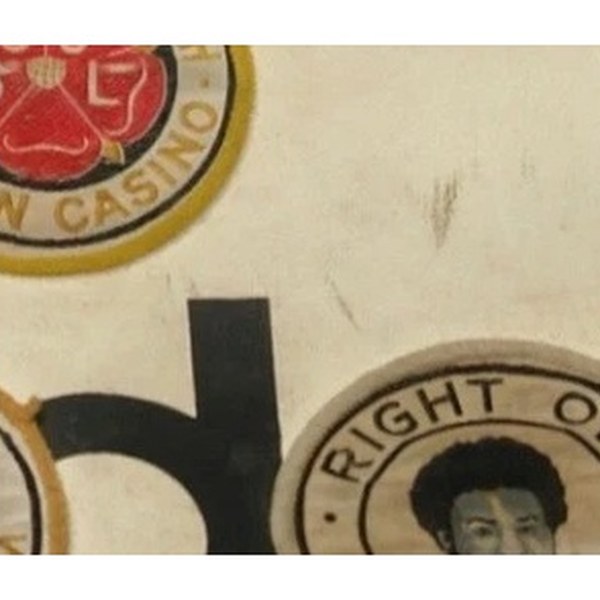
RIGHT ON J.J. BARNES
1970sThis artist-based patch shows that Northern Soul badges were not limited to venues. Singers and records could become part of the same visual culture, turning musical allegiance into something worn alongside club and regional badges.
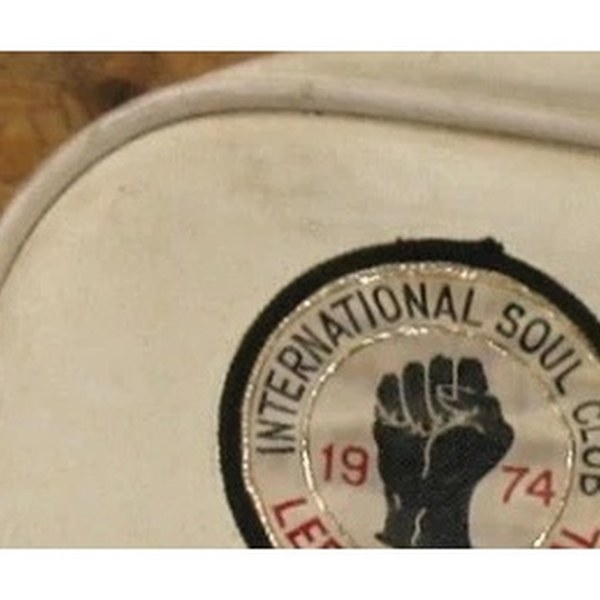
INTERNATIONAL SOUL CLUB, LEEDS FESTIVAL
1974This dated International Soul Club patch connects the organisation to a specific Leeds event in 1974. It is useful evidence of how the club network promoted events beyond a single permanent venue and marked them with dedicated memorabilia.
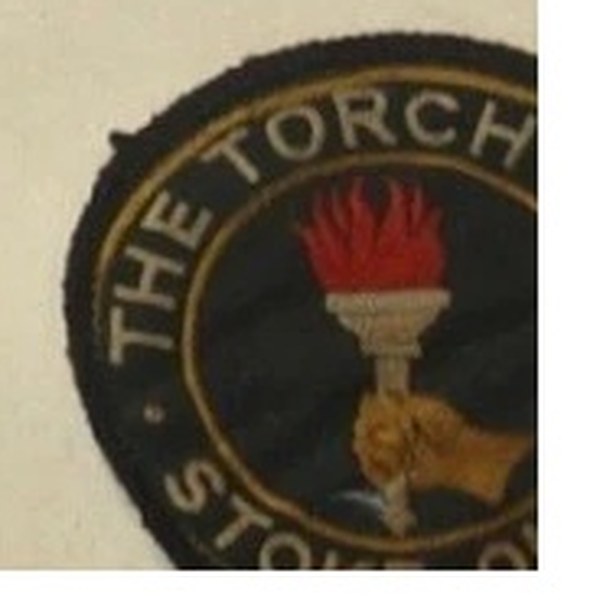
THE TORCH, STOKE-ON-TRENT
1965-1973commemorative designThis Torch design preserves the identity of one of the key pre-Wigan venues. The flaming torch motif became one of the scene’s most recognisable club symbols and continued to appear on memorabilia after the venue closed.
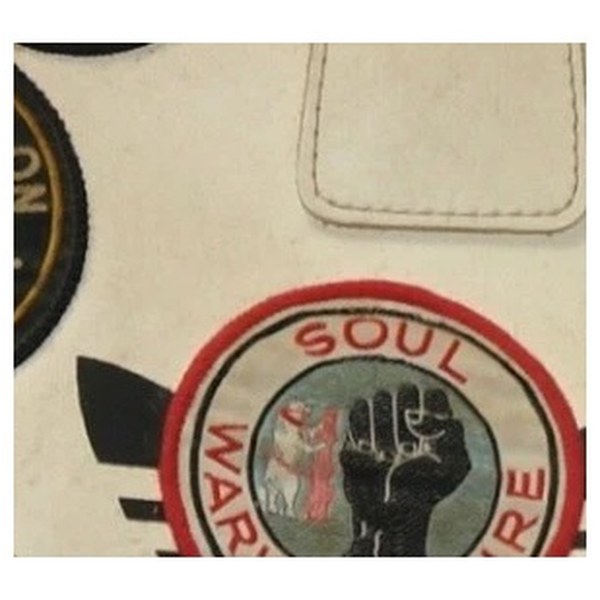
SOUL WARWICKSHIRE
1970sSoul Warwickshire illustrates the regional side of badge culture. Northern Soul identity was expressed through counties and towns as well as famous all-nighter venues, showing how widely the scene had spread by the 1970s.
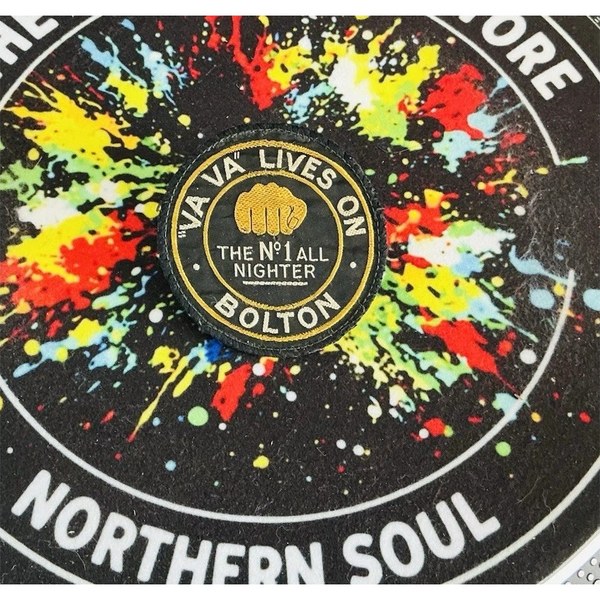
VA VA LIVES ON, BOLTON
1970sdesign, surviving exampleThe “Va Va Lives On” wording reflects the way important clubs remained part of Northern Soul identity after their peak. Va Va’s in Bolton occupied an important place in the early-1970s circuit before Wigan Casino came to dominate the scene.
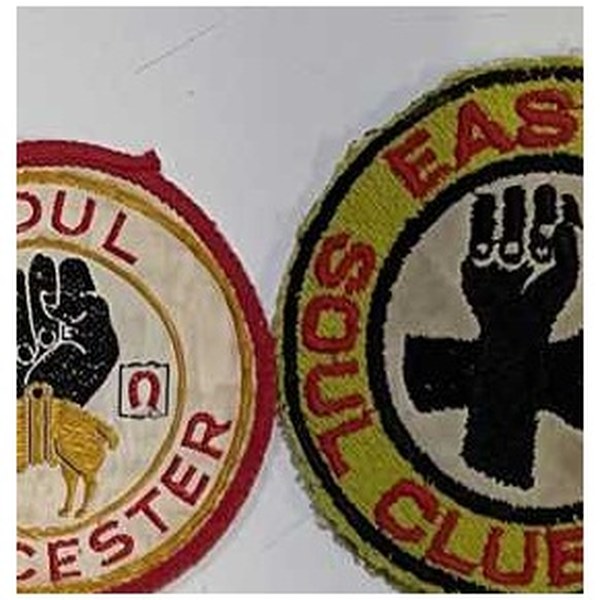
EAST ANGLIAN SOUL CLUB
1970sThe East Anglian Soul Club built a substantial regional network of all-nighters and anniversary events. Its crossed-fists emblem became a recurring visual identity across several dated and venue-specific EASC patches.
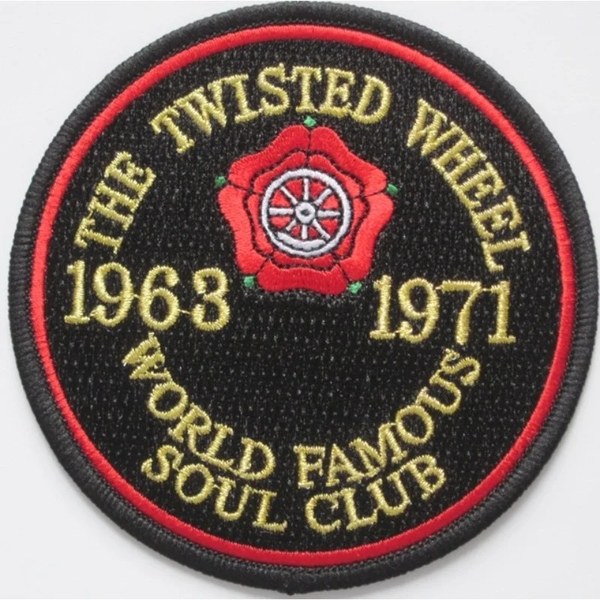
THE TWISTED WHEEL, WORLD FAMOUS SOUL CLUB
Modern reproductionA modern reproduction rather than a period badge, included so the design can be seen clearly. The 1963 to 1971 dating on the face is the club's own run, applied retrospectively.
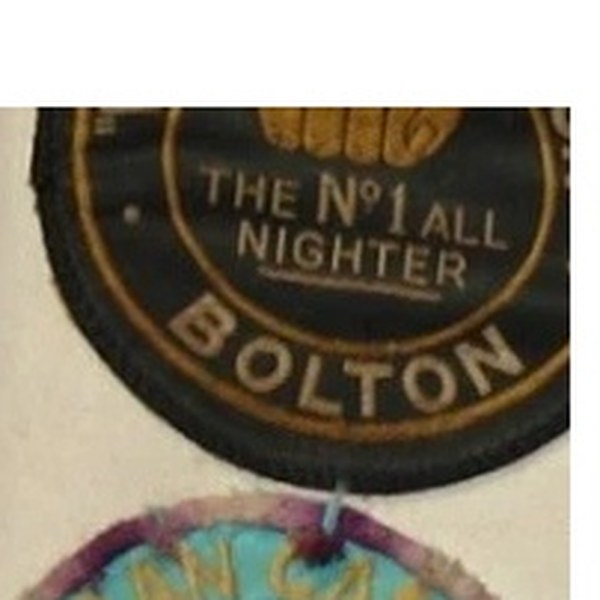
WIGAN CASINO NIGHT OWL ALL-NIGHTER
1970sThe Night Owl design links the Casino directly to its all-night format. The owl became a natural symbol for the all-nighter culture, and surviving period examples show how these patches were worn as records of participation in the scene.
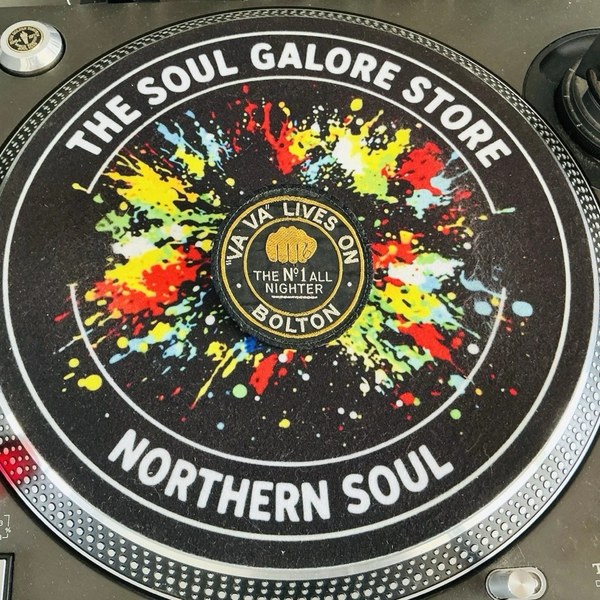
VA VA LIVES ON, SOURCE-CONTEXT IMAGE
Reference photographA wider photograph included as provenance context for the badges above rather than as a badge in its own right. It shows how patches were carried on a bag rather than displayed.
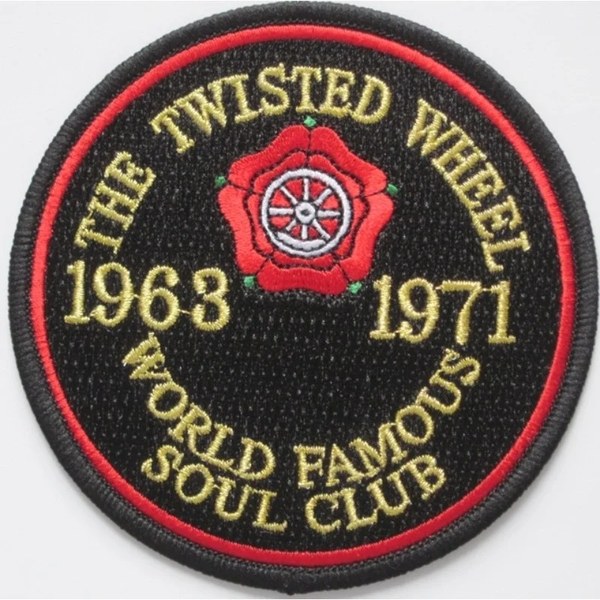
THE TWISTED WHEEL, WORLD FAMOUS SOUL CLUBModern reproduction referenceThis modern embroidered version combines the Twisted Wheel name, the Lancashire rose and the
1963-1971dates. It is useful as a comparison image, but it should not be presented as a period-original Wheel badge. Period testimony indicates that early Wheel badges were not always standardized and some were privately commissioned.
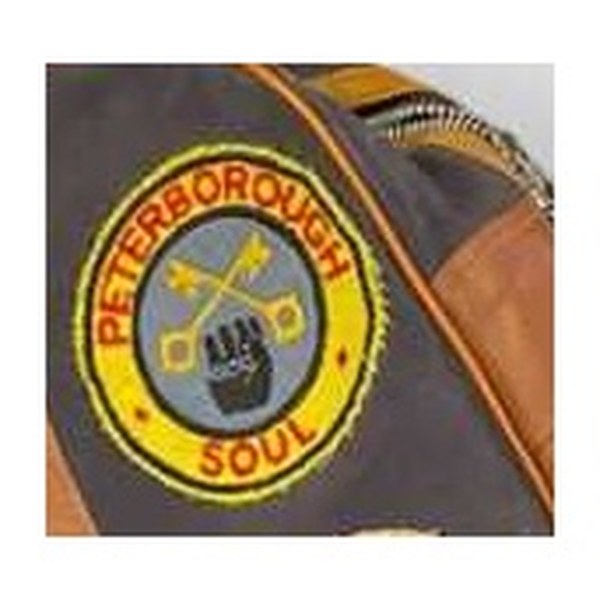
PETERBOROUGH SOUL
1970sThis Peterborough badge documents the East Midlands and East Anglian side of the travelling Northern Soul circuit. Regional badges such as this help reconstruct a scene that extended far beyond the best-known Wigan, Stoke and Blackpool venues.
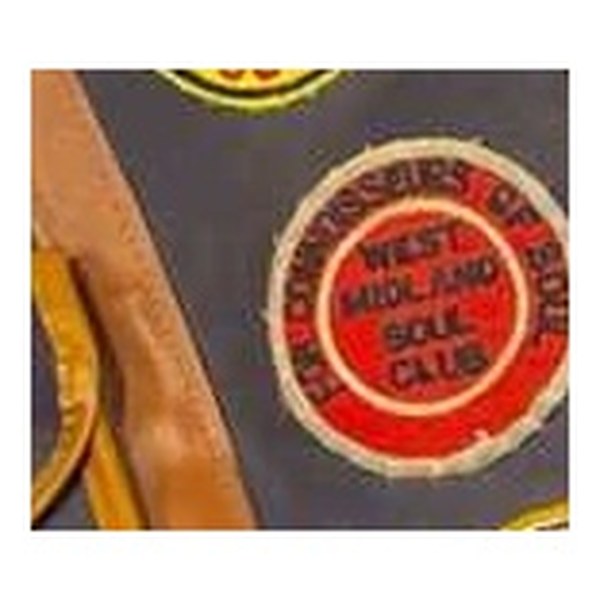
WOLVERHAMPTON SOUL CLUB
1970sThis Wolverhampton club patch reflects the strong Midlands base of Northern Soul and the local scene associated with venues such as the Catacombs. Surviving regional patches are useful evidence because they record club identity outside the better-documented national all-nighters.
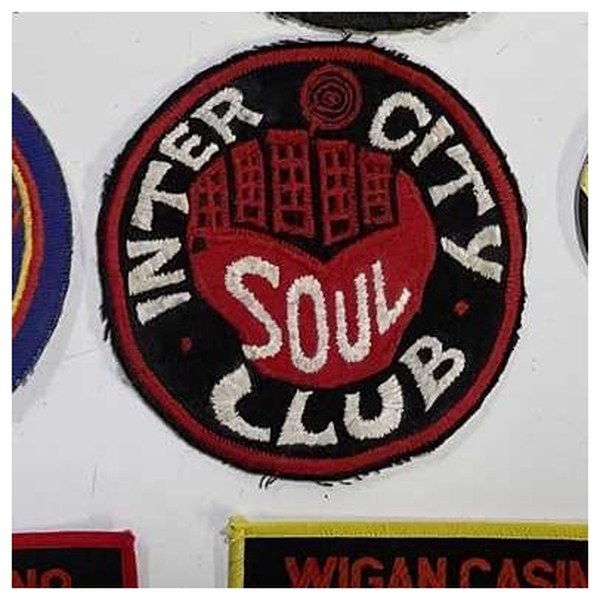
INTER CITY SOUL CLUB
1970sThe Inter City Soul Club name captures the mobile character of Northern Soul, with dancers travelling between towns and promoters linking events across regions. This patch is evidence of organizations whose identity was broader than a single permanent venue.
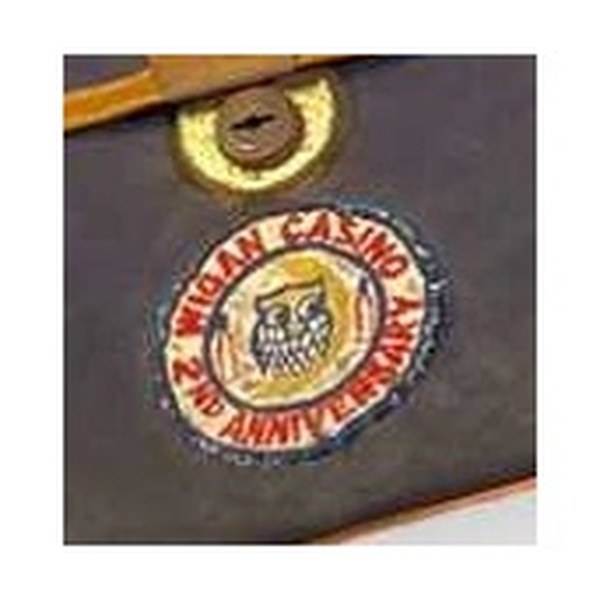
NORTHERN SOUL ALL-NIGHTER PATCH
1970s, exact event unresolvedThis surviving round all-nighter patch is included as an identification problem rather than assigned to a club without evidence. Its presence in a period-provenance group still helps document the visual language of all-nighter culture, while the exact venue or event remains unresolved.
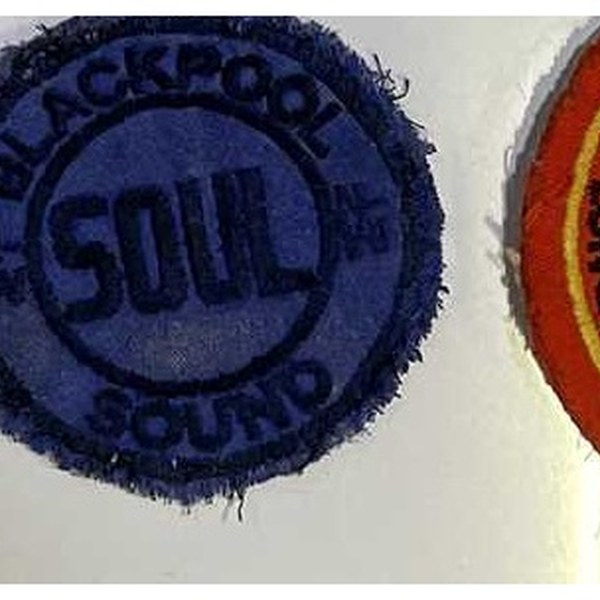
BLACKPOOL SOUL
1970sThis Blackpool regional patch reflects the resort’s central place in Northern Soul, especially through the Highland Room at the Blackpool Mecca and later festival activity. It shows how a town itself could become a badge identity alongside individual clubs and promoters.
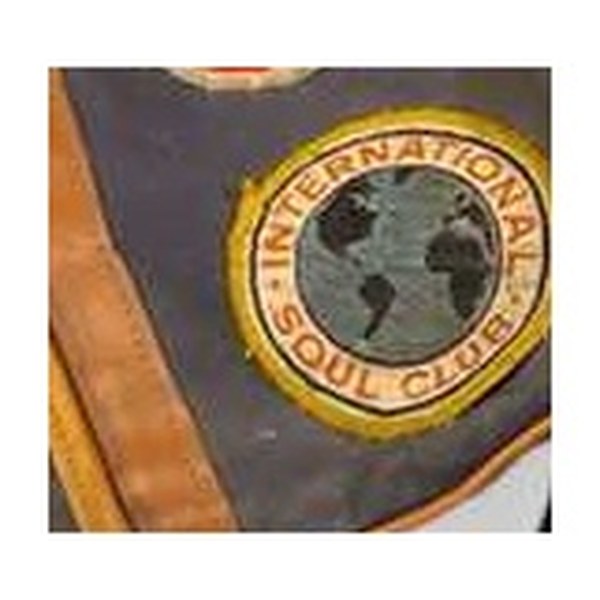
INTERNATIONAL SOUL CLUB
1970sThe International Soul Club connected promoters, venues and dancers across Britain. Its globe-and-fist imagery expresses an identity deliberately larger than one club, showing how Northern Soul organizations developed national branding during the 1970s.
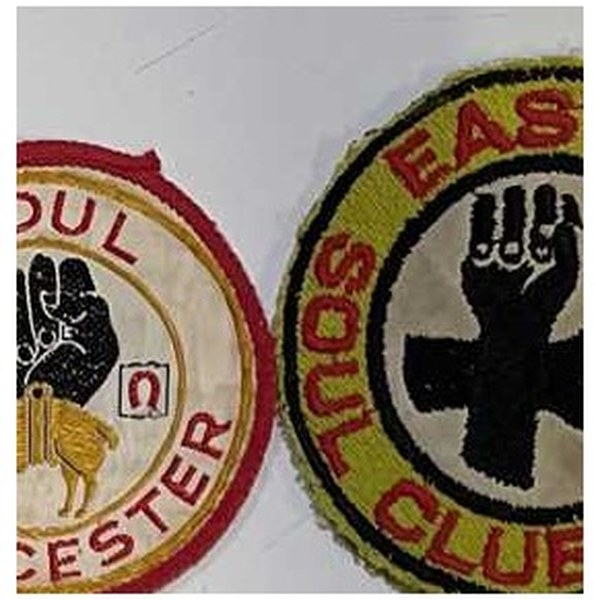
EAST ANGLIAN SOUL CLUB, ALTERNATE EXAMPLE
1970sThis alternate surviving EASC example provides a useful comparison with the organization’s anniversary and venue-specific issues. Together, the variants show how East Anglian Soul Club maintained a recognizable identity while issuing different badges for its regional programme.
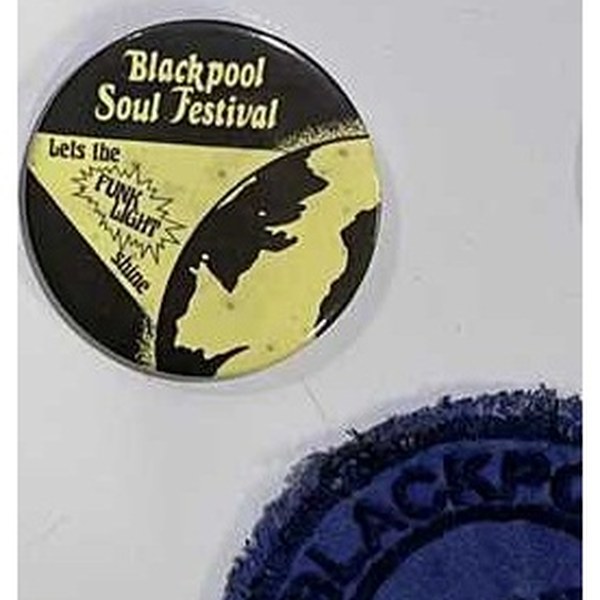
BLACKPOOL SOUL FESTIVAL
1970sThis festival badge records the extension of Northern Soul culture into named festival events as well as weekly club nights and all-nighters. Its Blackpool identification also reflects the town’s importance as one of the scene’s major destinations.
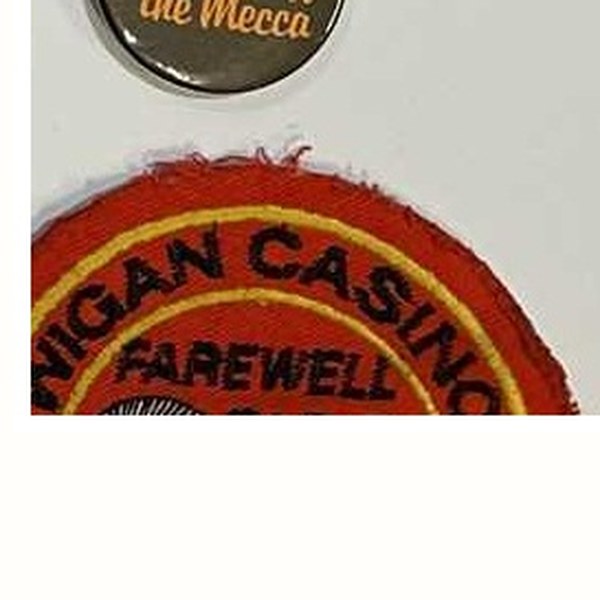
TEAR THE ROOF OFF THE MECCA
Blackpool Mecca, 1970sThe slogan is closely associated with the energy and identity of Blackpool Mecca’s Northern Soul following. The badge is useful as evidence of the language and imagery surrounding the Highland Room, a venue whose musical policy became distinct from Wigan Casino during the 1970s.
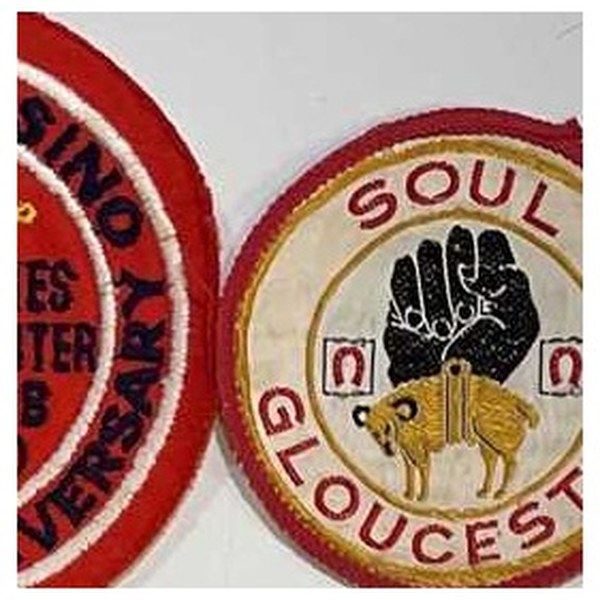
SOUL GLOUCESTER
1970sThis regional Gloucester patch shows how Northern Soul identity spread well beyond the best-known all-nighter venues. Badges carrying town and regional names acted as visible markers of local affiliation and help reconstruct the wider national network of dancers, clubs and events.
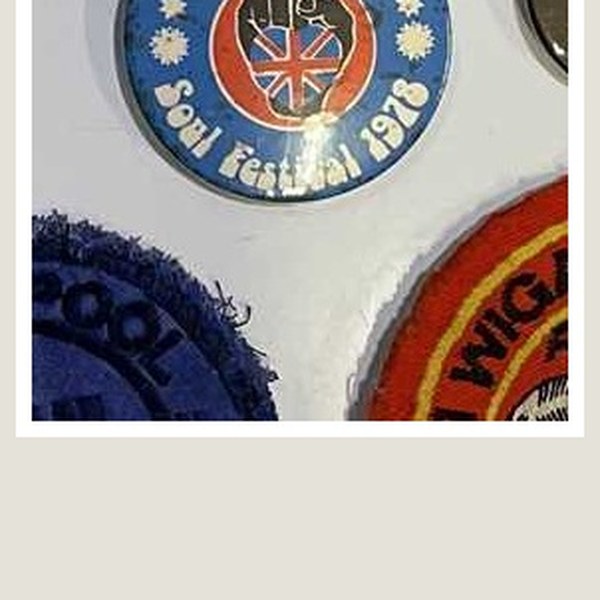
BLACKPOOL SOUL FESTIVAL
19781978This dated festival badge provides a precise reference point in Blackpool's Northern Soul history. Unlike generic Blackpool patches, the 1978 wording ties the surviving object to a specific period and shows how the scene increasingly used festival badges alongside club and all-nighter memorabilia.
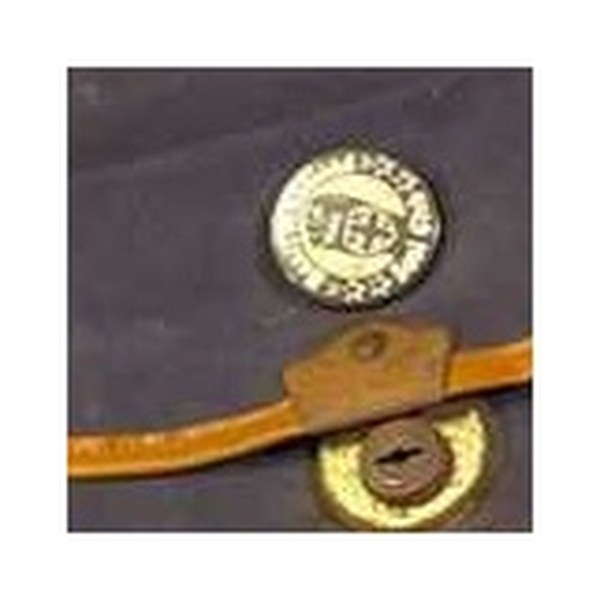
SMALL ROUND PERIOD BADGE, IDENTIFICATION UNRESOLVED
1970s, exact issue unresolvedThis small surviving badge remains in the archive as an identification problem rather than being assigned to a club without evidence. Its inclusion records the limits of the surviving visual record and allows future comparison with better-documented examples.
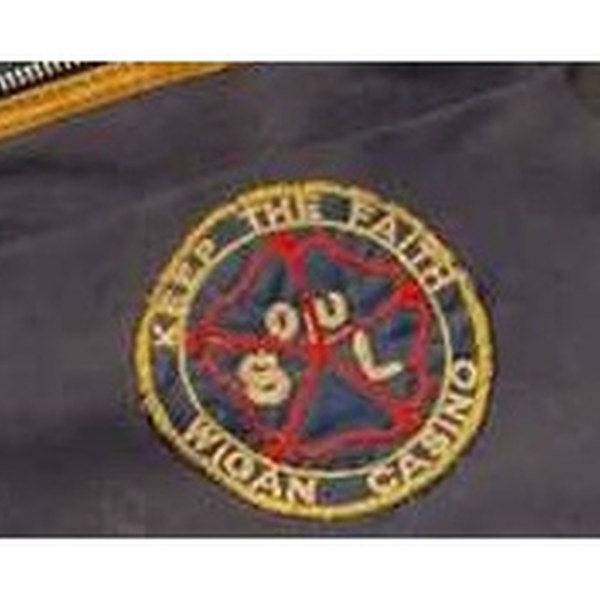
WIGAN CASINO FIST-AND-ROSE PATCH, EXACT ISSUE UNRESOLVED
1970sThis worn circular patch combines familiar Northern Soul fist imagery with Wigan Casino wording and a rose motif. The image is useful for comparison with documented Casino issues, but the precise event or production version has not been established from the photograph alone.
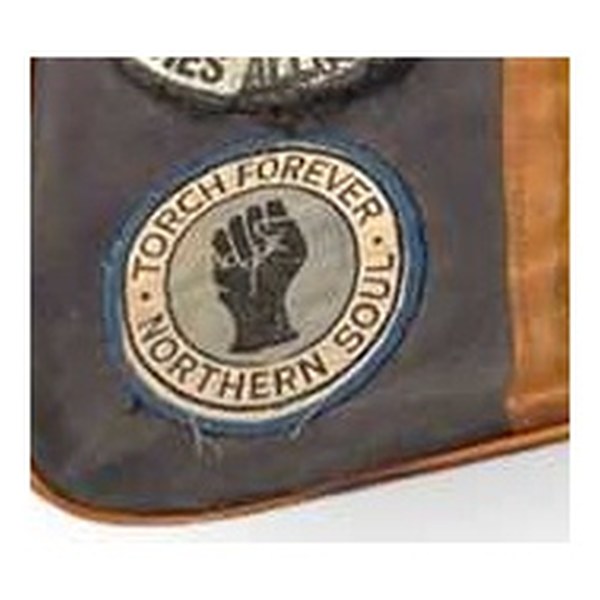
TORCH FOREVER NORTHERN SOUL
1970sThe Torch Forever wording reflects the rapid transformation of the Stoke club from an active venue into a symbol of Northern Soul history. The patch shows how badge culture moved beyond recording attendance and became a way of preserving allegiance to clubs after they had closed.
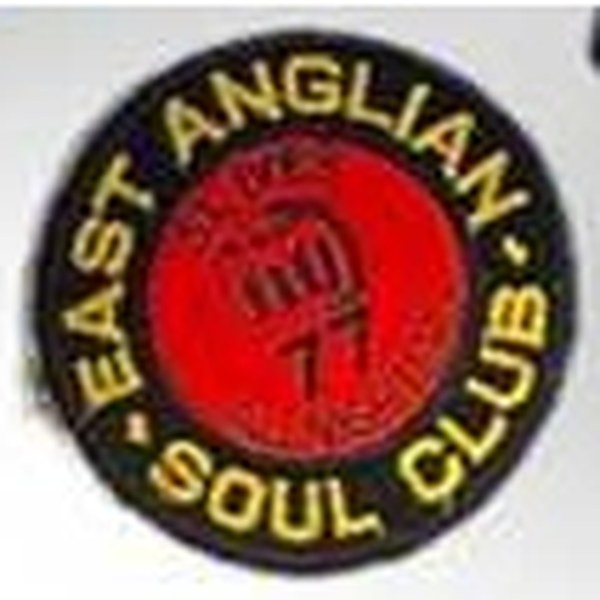
EAST ANGLIAN SOUL CLUB, RED-AND-BLACK EXAMPLE
1970sThis red-and-black East Anglian Soul Club example provides another surviving variation of the regional club identity. Placed alongside the anniversary and venue-specific EASC patches, it helps show how the organization maintained a recognizable name while using several graphic treatments.
Photographs on this page originate from Omega Auctions, Soul Source contributors, eBay seller listings and the Popsike archive, and are reproduced at reduced size to illustrate historical commentary on each badge. All photographs remain the property of their respective owners. Any rights holder who would like an image credited differently or removed should contact us and it will be actioned the same day. New England Northern Soul is not affiliated with any of the sources named.
Where These
Came From
Every image on this page is served from Hinckley Soul History, which holds the primary visual archive. They remain the property of their owners and are shown here for reference.
Authentication cross-checks should use period ownership history, collector evidence and specialist auction catalogues.