American Music.
British Movement.
Back Home.
Northern Soul is the only music culture where one country made the records and another country decided which ones mattered.
About Me
I was fifteen the first time. 1974. My best friend and I told our parents we were staying at each other’s houses, and went to Wigan Casino instead.
Britain was grim that decade, all strikes and recession and pop music with nothing in it, and a grammar school boy looking for an identity did not have many places to look. We found one on a wooden floor at three in the morning, dancing to records America had thrown away.
They came from Detroit, Chicago, Philadelphia, New York, Los Angeles and a hundred smaller cities we could not have found on a map, cut in the sixties by Black singers and musicians for small regional labels chasing Motown. Most vanished inside a month and some sold only a few hundred copies, but in Wigan they were sacred, and the DJs who dug them out, Russ Winstanley, Richard Searling, Kev Roberts, decided what mattered.
For a few years it was the best thing in the world. I kept going until the Casino closed in 1981, and that last all-nighter is still the clearest thing I remember about being young. Fifty years on I live three thousand miles away in Connecticut and work in finance. The records came with me.

What
Happened
Detroit, Chicago and Philadelphia produced far more soul records than America could absorb. Thousands of 45s were pressed, shipped, ignored and written off inside a fortnight.
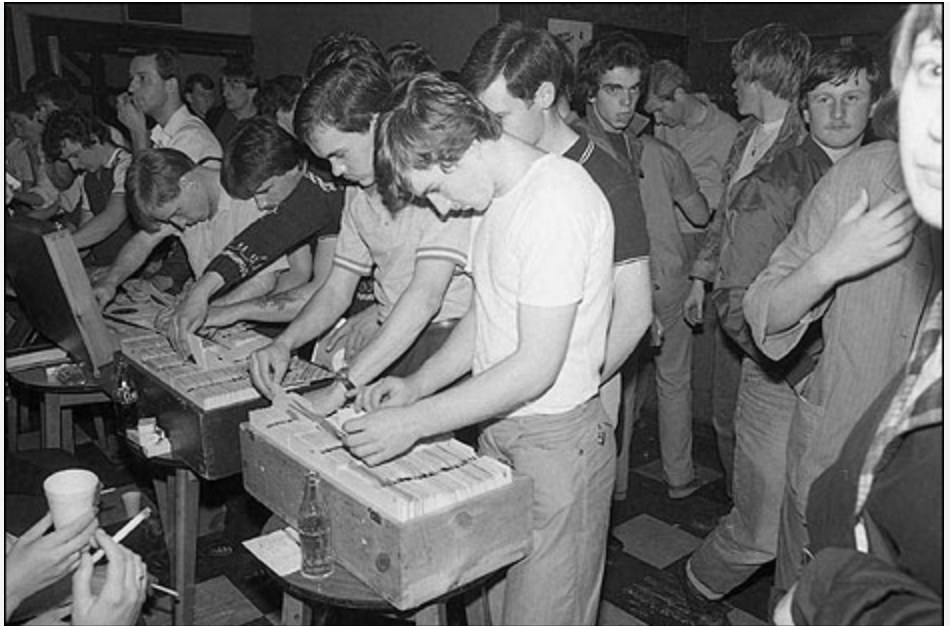
British collectors bought the leftovers by the boxful. What America treated as failed product, they treated as a canon. The criterion was not chart position. It was tempo, and whether a room full of people could dance to it until morning.
The name came from Dave Godin at Soul City Records in London, describing what northern buyers wanted rather than what the south was buying. The rooms followed. The Twisted Wheel in Manchester. The Golden Torch in Stoke. Blackpool Mecca. Wigan Casino, which opened on 23 September 1973 and ran all-nighters until December 1981.
Records that sold nothing in America became the property of a working-class British audience who drove two hundred miles on a Saturday to hear them. That audience kept the records alive for sixty years. Most of the artists never knew.
American music. British obsession. Back home in New England.
The crossed flags on the badge are not decoration. They are the whole argument.
Why New
England
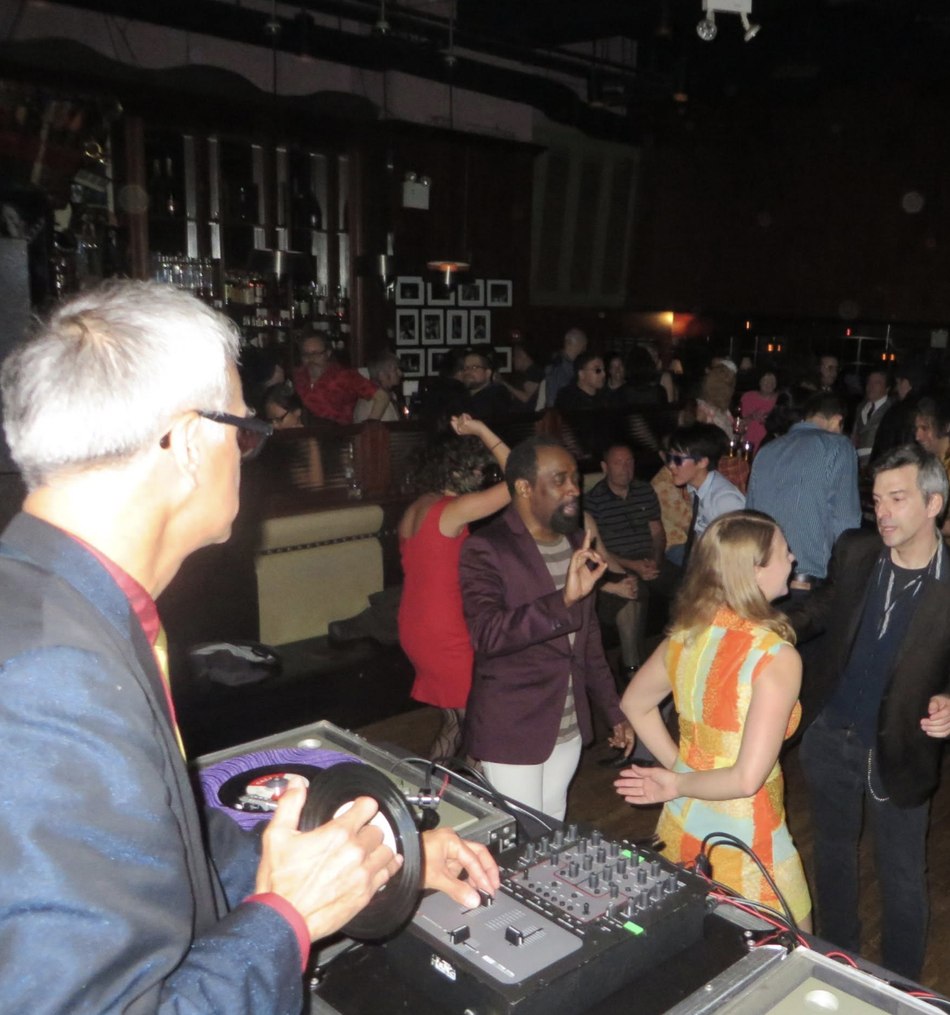
There is no shortage of soul in the Northeast. There is a shortage of a room that treats it the British way.
Soulelujah has run in Cambridge since 2003. Subway Soul Club ran monthly in New York for around a decade and now favours two or three larger parties a year. New York Night Train and Soul in the Horn fill rooms in the city. Every one of them sits in Cambridge or New York.
Nothing comparable exists between them, and the corridor from New Haven to Westchester holds a lot of people who would drive forty minutes for the right night and will not drive two hours into Manhattan for it.
That is the bet. It has not been proved. That is what founding membership is for.
Keep the Faith
Original Vinyl
Sevens on the deck. The pressing is part of the record, and a room can hear the difference even when it cannot name it.
The Record Wins
DJs serve the floor. Nobody on this scene ever queued to watch somebody stand behind a laptop.
Everybody Dances
No dress code that keeps people out. No door policy dressed up as curation. Turn up, and the floor is yours.